© CyNex Systems, All rights reserved. 2024
Servo-Mechanisms
You are here: Cynex.ca
Engineering & Design - Servo-Mechanisms
Popular Services:
Cynex Systems
Engineering. Manufacturing. Automation.
One Idea. One vision.
Turning possibilities into performance.
>> Get In Touch


At Cynex Systems, servo-mechanisms represent the intersection of mechanical engineering, motion control, and intelligent automation. Our engineering approach focuses on developing and integrating precision motion solutions that help machinery operate with greater accuracy, consistency, flexibility, and efficiency. Servo-mechanisms are essential components of modern automated systems, enabling controlled movement, positioning, speed regulation, and force management. By combining mechanical assemblies, actuators, motors, sensors, feedback devices, and control systems, these technologies support complex operations across agriculture, industrial manufacturing, warehousing, logistics, robotics, and specialized equipment. Our engineering philosophy emphasizes application-driven design, reliable operation, and seamless integration with existing machinery and automation infrastructure. Whether supporting a single positioning mechanism or a coordinated machine system, the objective is to deliver practical engineering solutions aligned with specific operating requirements and performance goals.
Engineering & Design Capabilities
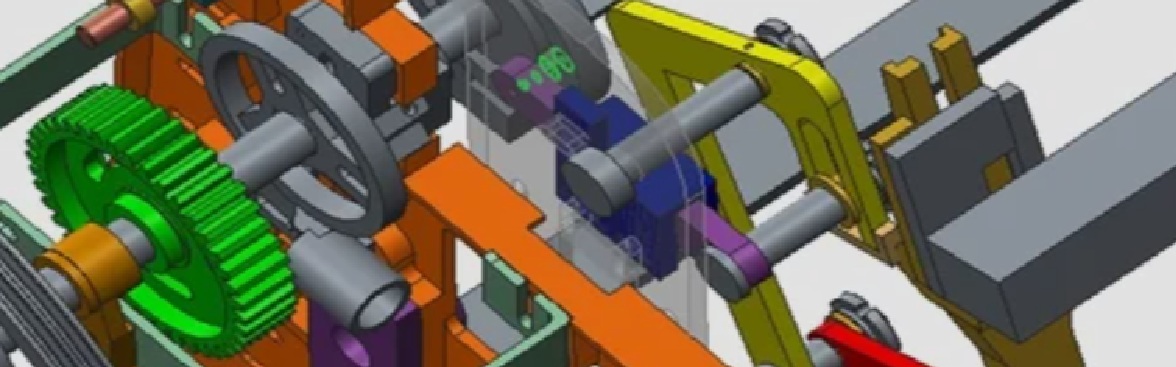
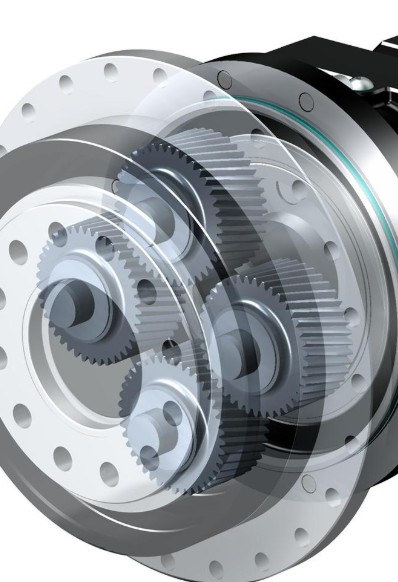
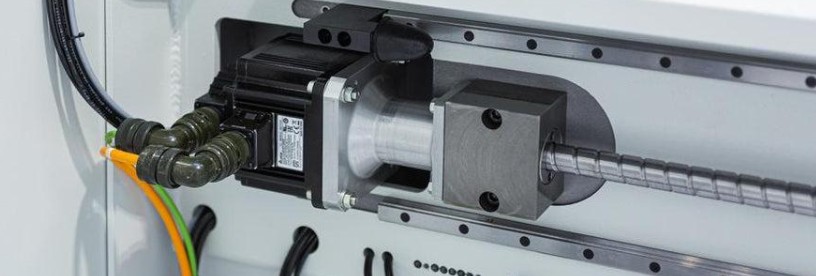
Cynex Systems' servo-mechanism engineering scope encompasses the design and integration of mechanical actuation systems, servo-driven mechanisms, precision positioning equipment, and automated motion-control solutions. Each application requires careful consideration of mechanical loads, movement profiles, accuracy, operating environments, safety, and long-term maintainability. Our potential engineering scope includes rotary and linear actuation, mechanical transmission assemblies, servo motor and drive integration, sensor-based feedback, control-system interfaces, and customized mechanisms for specialized machinery. Through appropriate engineering analysis and component selection, servo systems can be designed to achieve repeatable movement, smooth acceleration, controlled stopping, and coordinated operation.
Agriculture & Precision Farming
Modern agriculture increasingly relies on automation to improve operational consistency, optimize resource utilization, and reduce repetitive manual work. Servo-mechanisms can support these objectives by enabling precise control of agricultural machinery and equipment. Potential applications include precision seeding, seed-metering systems, fertilizer and pesticide dispensing, adjustable planting mechanisms, irrigation valves, greenhouse ventilation, automated shading, and crop-handling equipment. Servo-driven positioning systems can also support robotic harvesting, produce sorting, and automated processing operations. In agricultural machinery, performance depends on more than positioning accuracy alone. Equipment must withstand vibration, dust, moisture, temperature fluctuations, and demanding field conditions. Engineering decisions therefore need to consider environmental protection, mechanical durability, actuator sizing, and ease of maintenance. When integrated with suitable sensors, GPS-based systems, machine vision, and agricultural control platforms, servo-mechanisms can contribute to precision farming strategies that improve repeatability and support more efficient use of seeds, water, fertilizers, and other resources.
Industrial Automation & Manufacturing
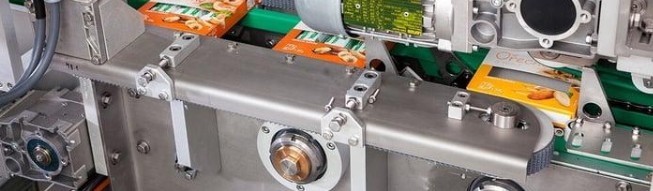
In industrial environments, servo-mechanisms provide controlled movement for production equipment, automated assembly stations, packaging machinery, machine tools, and material-processing systems. Applications include robotic positioning, component handling, synchronized conveyors, automated cutting, filling and dispensing, controlled pressing, winding and unwinding, and precision alignment. Multi-axis motion control can coordinate several mechanical movements within a single production sequence, helping machinery perform complex tasks consistently. Effective servo-system design requires an understanding of torque, inertia, acceleration, cycle time, mechanical backlash, thermal loading, and operating duty cycles. Appropriate component selection and motion-profile optimization can help reduce unnecessary mechanical stress, improve process repeatability, and support efficient production. Servo-mechanisms can also contribute to the modernization of existing industrial equipment. By integrating suitable actuators, feedback devices, drives, and programmable controls, conventional machinery may be adapted to support more flexible operating sequences and improved automation.
Warehouse Automation & Logistics
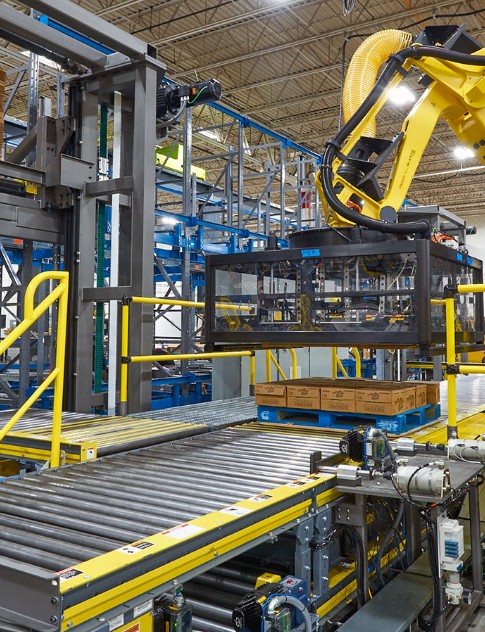
Automated warehouses and distribution facilities depend on accurate, coordinated movement to transport, store, retrieve, and sort products efficiently. Servo-mechanisms can support these operations through controlled positioning and synchronized material handling. Potential applications include automated storage and retrieval systems, stacker cranes, conveyor networks, sorting equipment, lifting platforms, pallet-handling machinery, automated picking systems, and robotic transfer mechanisms. Servo-driven axes can provide controlled acceleration, accurate stopping positions, and repeatable movement for equipment operating across multiple storage levels or production zones. Coordinated motion control can also support smoother transfers between conveyors, lifts, and sorting stations. When integrated with programmable controllers and warehouse control systems, these mechanisms can contribute to improved workflow coordination, operational flexibility, and throughput. System design must account for payloads, travel distances, cycle times, equipment geometry, and the safety requirements of automated material-handling environments.
Integrated Engineering for Reliable Performance
Successful servo-mechanism applications require coordinated engineering across mechanical, electrical, and control disciplines. CYNEX Systems' proposed engineering approach encompasses application assessment, conceptual design, mechanical analysis, actuator and component selection, control-system integration, and performance validation. Depending on project requirements, the engineering process may include CAD modelling, force and torque calculations, motion simulation, servo sizing, sensor integration, PLC programming, prototype testing, and commissioning support. Particular attention is given to reliability, maintainability, environmental conditions, and compatibility with existing equipment. Our objective is to support automation solutions that deliver meaningful operational value through precise movement, consistent performance, adaptable functionality, and efficient machine operation.
Advancing Motion-Control Solutions
Servo-mechanisms provide a foundation for increasingly intelligent and interconnected machinery. From agricultural equipment and industrial production lines to automated warehouses and specialized robotic systems, precision motion control enables equipment to perform tasks with greater consistency and flexibility. CYNEX Systems is committed to an engineering-led approach that connects mechanical design with modern automation principles, helping address the practical challenges of machinery design and system integration.
Cynex Systems — Engineering Precision. Enabling Performance.
Through application-focused engineering and carefully integrated motion-control technologies, we aim to support the development of reliable, efficient, and adaptable automation solutions for the evolving needs of modern industry.
- Engineering
- Manufacturing
- Mechatronics
- AI and Machine Vision
- Automation And Robotics