


Custom Control Board Hardware Design
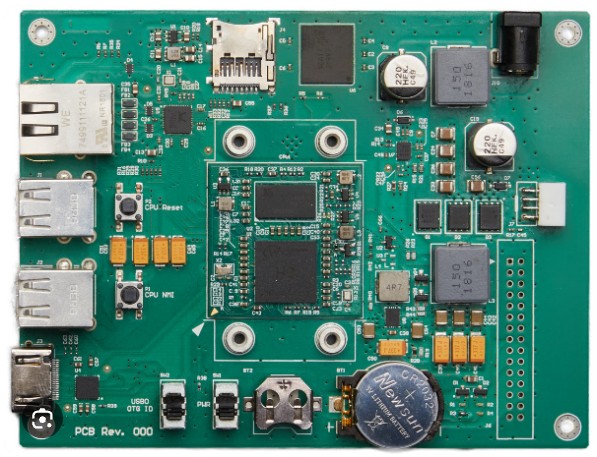
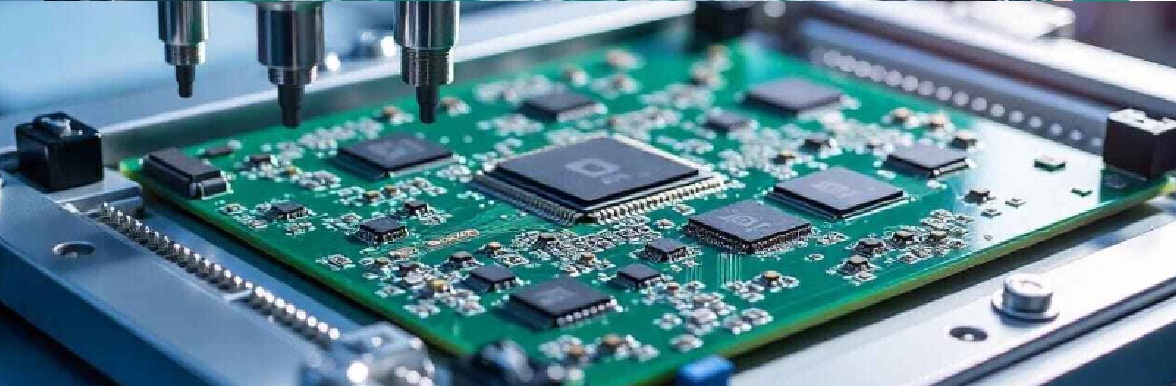
We design microcontroller-based control boards according to the specific needs of your application. Depending on project requirements, this can include microcontroller selection, electronic circuit design, PCB layout, power supply circuits, signal conditioning, and the integration of input and output interfaces. The hardware architecture is developed with consideration for processing requirements, available resources, electrical characteristics, physical dimensions, and communication needs. By selecting suitable components and organizing them into an appropriate design, we aim to create control boards that provide the necessary functionality while integrating effectively with the surrounding system.
Our capabilities can include:
Embedded Firmware and Control Logic
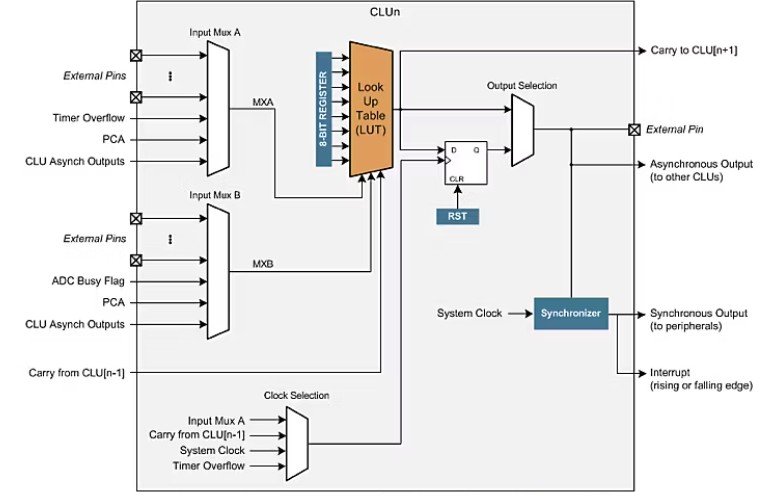
A microcontroller-based control board relies on firmware to determine how it processes information and controls connected devices. We focus on developing application-specific embedded software that enables the board to perform its intended functions and respond appropriately to different operating conditions. Depending on the application, firmware can manage sensor inputs, process signals, execute control sequences, generate output commands, and coordinate communication with other devices. The software is designed around the selected microcontroller and the requirements of the complete system, taking into account processing capacity, timing, and available hardware resources.
Our capabilities can include:
Peripheral Interfaces and System Integration
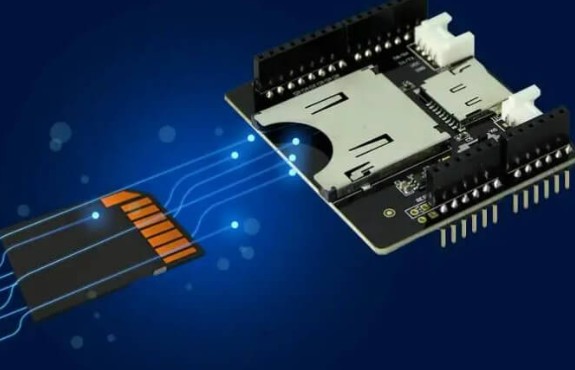
Microcontroller-based boards frequently interact with sensors, actuators, displays, communication modules, and other electronic devices. We consider these connections as part of the overall design to help ensure that the control board can exchange information and operate correctly within the intended application. Depending on project requirements, integration may involve designing electrical interfaces, supporting appropriate communication protocols, coordinating input and output signals, and adapting the board to existing equipment. Careful attention to compatibility and signal requirements helps simplify integration and supports coordinated system operation.
Our capabilities can include:
Prototyping, Testing and Design Optimization
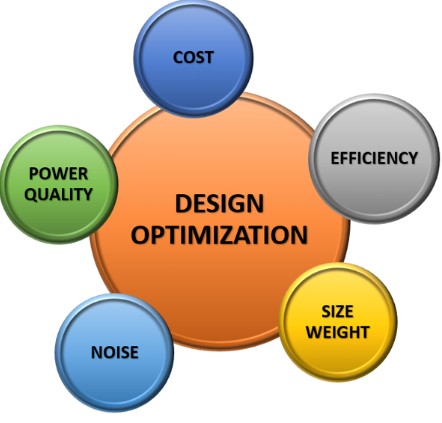
Prototyping and testing help evaluate whether a microcontroller-based control board meets its functional and technical requirements. We can support the development process by evaluating hardware operation, verifying firmware behavior, checking interfaces, and identifying potential issues before further development or production. Testing may include verifying input and output functions, checking communication between devices, evaluating control sequences, and examining power and signal behavior under representative operating conditions. Findings can then guide improvements to the PCB design, component selection, firmware, and overall system configuration.
Our capabilities can include: