© CyNex Systems, All rights reserved. 2024
PCB Design / Manufacturing
You are here: Cynex.ca
PCB & Embedded Control Systems - PCB Design / Manufacturing
Popular Services:
Cynex Systems
Engineering. Manufacturing. Automation.
One Idea. One vision.
Turning possibilities into performance.
>> Get In Touch
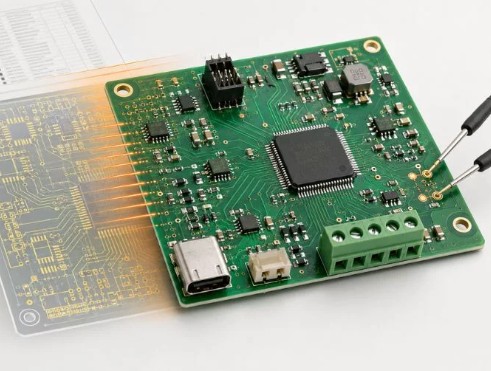
At Cynex Systems, PCB design and manufacturing solutions focus on developing printed circuit boards tailored to specific electronic, embedded control, instrumentation, and industrial automation applications. By combining electronic circuit design, component selection, PCB layout, and design optimization, we aim to support the development of reliable and practical electronic systems. Printed circuit boards provide the foundation for modern electronic devices by connecting components and enabling them to work together as an integrated system. Whether used in microcontroller-based products, custom controllers, sensor interfaces, or specialized laboratory equipment, a well-designed PCB can improve functionality, simplify assembly, and support long-term system reliability.
PCB Design & Development
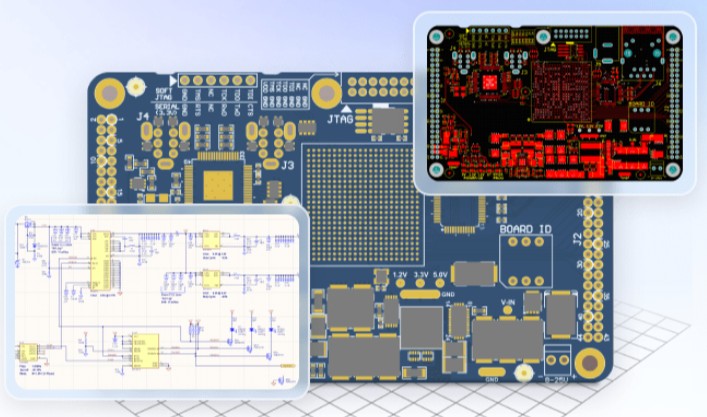
The PCB design process can include schematic capture, electronic component selection, circuit development, component placement, trace routing, and preparation of manufacturing files. Designs can be developed around specific electrical requirements, board dimensions, operating conditions, and system integration needs. Depending on the application, PCBs may support microcontroller circuits, analogue and digital electronics, signal conditioning, power regulation, communication interfaces, sensor connections, and actuator control. Design considerations can include electrical performance, signal integrity, thermal management, component accessibility, and efficient use of board space.
Custom PCB Solutions
Different applications require different circuit architectures and board configurations. CYNEX Systems can develop application-specific PCB designs intended to support embedded systems, electronic controllers, educational equipment, laboratory instruments, and specialized engineering projects. Depending on project requirements, designs may incorporate microcontrollers, integrated circuits, connectors, voltage regulators, switching devices, protection circuits, and communication interfaces. Boards can be designed to connect with external sensors, motors, displays, control panels, and other electronic modules, helping simplify integration into a complete system.
Prototyping & Manufacturing
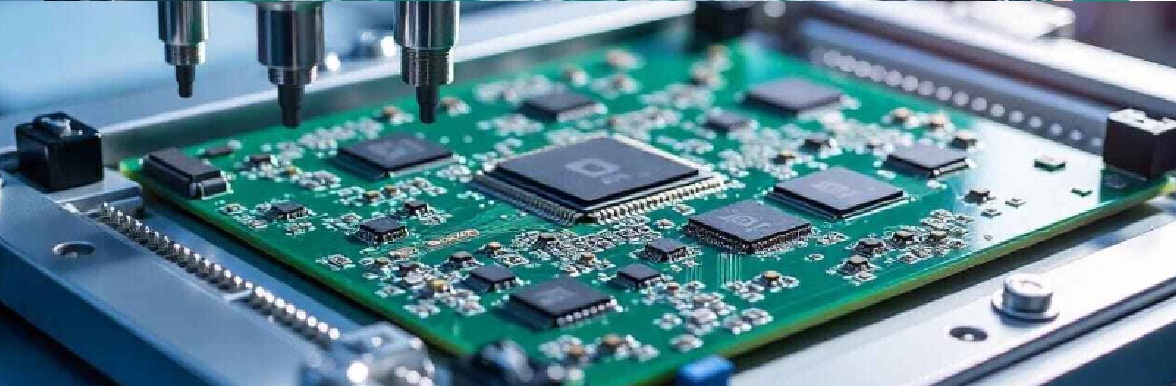
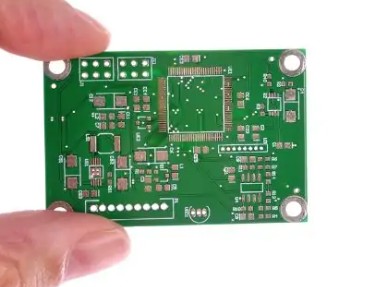
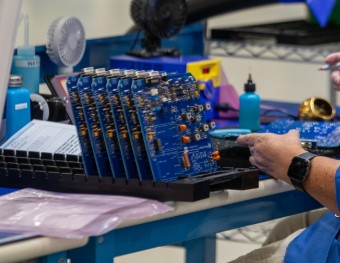
PCB development can extend from an initial design to prototype fabrication and preparation for production. Depending on the project scope, the process may include design reviews, manufacturing file preparation, prototype assembly, component soldering, and functional verification. Prototyping provides an opportunity to evaluate circuit operation, identify design improvements, and verify compatibility with the intended application before larger production quantities are considered. Attention to manufacturability, component availability, assembly requirements, and future maintenance can also help create practical designs that are easier to reproduce and integrate.
Testing, Optimization & Reliability
Effective PCB development requires consideration of both electrical functionality and the conditions in which the board will operate. Depending on the application, evaluation may include continuity checks, power-up verification, signal measurements, interface testing, and functional testing within the target system. Design optimization can address issues such as power consumption, heat dissipation, electrical noise, connector placement, and component protection. These considerations help support consistent performance and reduce integration challenges when circuit boards are used in more complex electronic or automated equipment.
Applications Across Engineering & Industry
Custom PCB design can support a broad range of applications, including industrial automation, embedded control systems, sensor and actuator interfaces, educational training equipment, laboratory devices, instrumentation, and electronic prototypes. For example, a dedicated PCB may be used to connect sensors to a microcontroller, regulate power for an electronic subsystem, control motors or actuators, or provide communication between different parts of an automated system. Each design can be adapted to the required functionality, electrical specifications, physical dimensions, and intended operating environment.
Supporting the Complete Development Process
Cynex Systems aims to support electronic development by connecting PCB design with embedded control and wider system integration requirements. Considering the circuit board as part of the complete application can help ensure that electrical interfaces, mechanical constraints, connectors, power requirements, and control functions work together effectively. From initial circuit concepts and board layout to prototype evaluation and manufacturing preparation, the development approach can be tailored to individual project needs. The objective is to create practical PCB solutions that provide a suitable foundation for functional electronic products and integrated engineering systems.

- Engineering
- Manufacturing
- Mechatronics
- AI and Machine Vision
- Automation And Robotics